
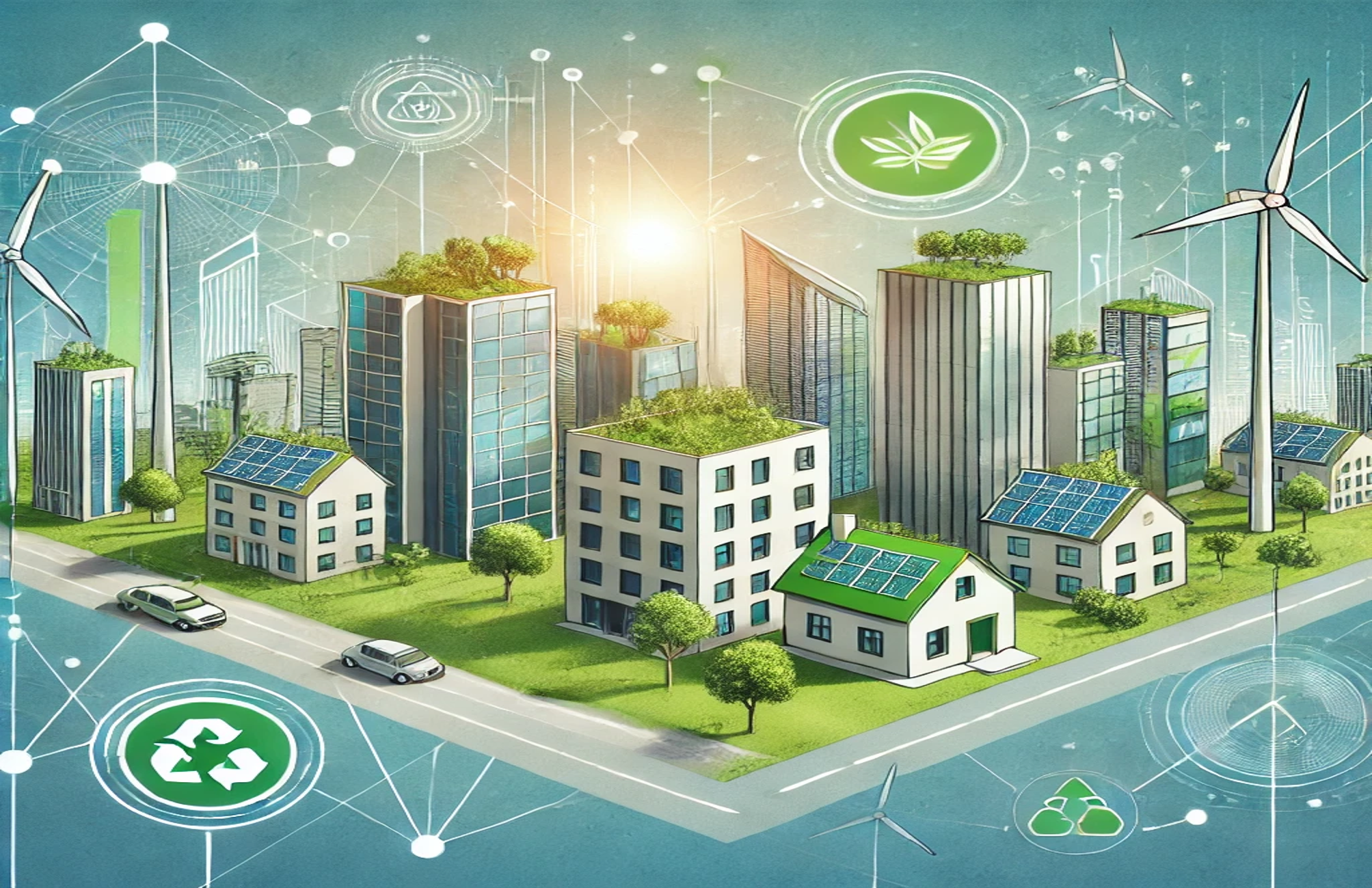
The Crossroads of Real Estate and Sustainability
The real estate sector is a notable contributor to global energy consumption and greenhouse gas emissions. The sector is in full progress to diminish energy consumption and emissions through investing in clean energy solutions. The main drivers for these investments are:
- Cost Reduction and Energy Efficiency
- Increased Asset Value and Marketability
- Regulatory Compliance and Incentives
- Investor and Tenant Demand for Sustainability
- Long-Term Risk Management
From a real estate investor perspective, these investments can contribute to the attractiveness of the sector. However, from a multi-asset portfolio, it might be that the investments in clean energy solutions in the real estate sector are interlinked with sustainable investments like green bonds and clean energy stocks. A recent article (Haddad et al., 2024) examined how real estate returns interact with green investments, especially during market extremes, using a unique statistical approach known as cross-quantilogram and quantile coherency.
Key Insights: Dependency and Divergence Across Market Extremes
- Unidirectional Dependence
Results reveal that real estate has a directional impact on sustainable investments, particularly in both high and low market extremes. Notably, during stable market periods, real estate returns can help predict sustainable asset performance. This suggests a leading influence of real estate on green assets rather than a mutual influence. - Sector-Specific Relationships
Interestingly, green building stocks (GBLD) show stronger, more consistent bidirectional dependence with sustainable assets. This suggests that companies focused on green building may be more affected by clean energy and ESG market shifts than broader real estate investments. - Bidirectional Dynamics During Turbulent Times
The study also found bidirectional relationships during volatile periods, like the 2020 COVID-19 crisis. Green bonds and real estate moved in tandem, especially in negative market conditions. This interconnected behavior during downturns highlights limited diversification potential for investors holding both asset classes during crises.
Investment Implications: Balancing Risks and Sustainable Goals
The study’s findings have significant implications for investors balancing traditional and green assets. The observed dependencies indicate limited diversification in turbulent markets. However, green bonds and real estate show better independence during booms, which could benefit long-term investors aiming for sustainability and stability.
Conclusion: Bridging Real Estate and Green Finance for Sustainable Futures
With rising awareness and investment in sustainability, understanding these sectoral dependencies is crucial. For policymakers and portfolio managers, these insights underscore the importance of considering market conditions and frequency in decision-making. Real estate and green finance, while connected, demand nuanced strategies for effective, resilient investment.
Literature
Haddad, M. F. C., Sjö, B., Stenvall, D., Uddin, G. S., & Dutta, A. (2024). Interconnectedness between real estate returns and sustainable investments: A cross-quantilogram and quantile coherency approach. Journal of Cleaner Production, 144085.
 Norbert Bol